Baking & Desserts Classic Vanilla Butter Cake
Highlighted under: Baked Indulgences
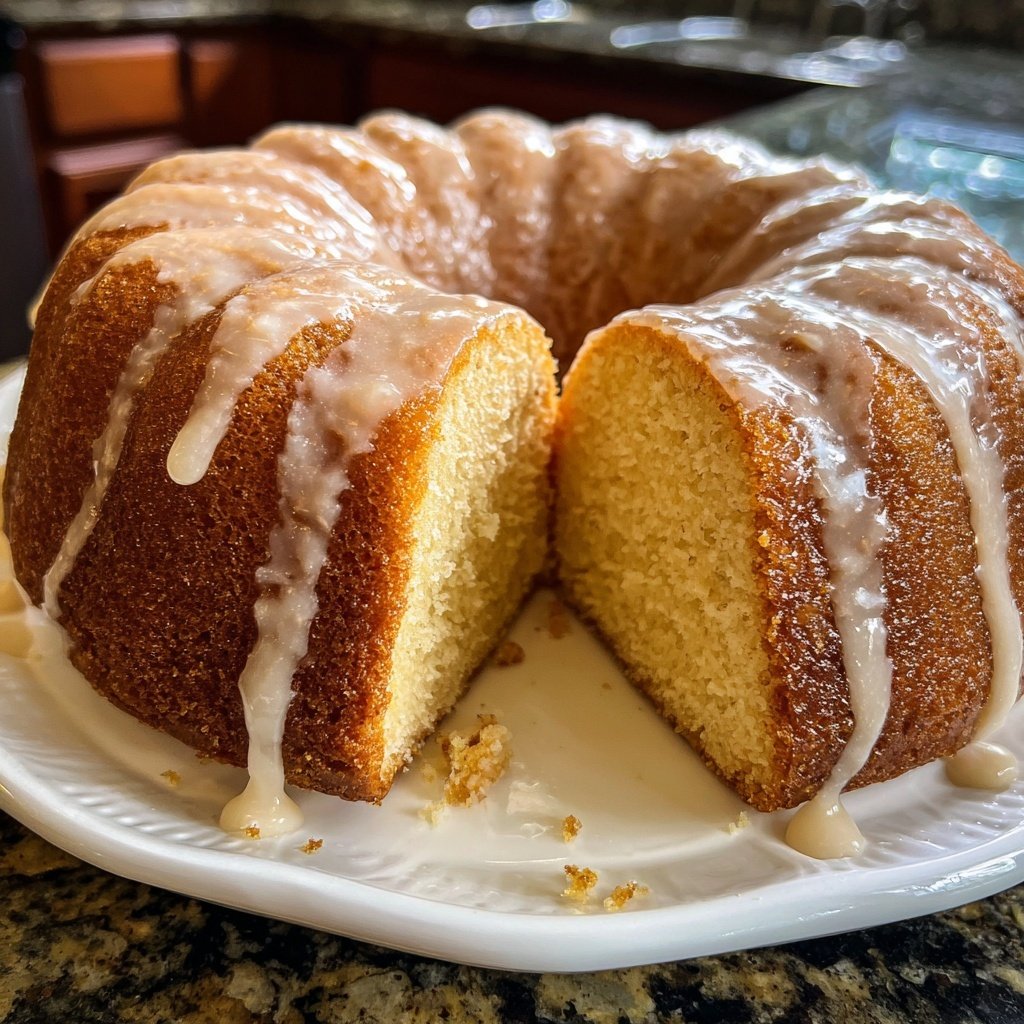
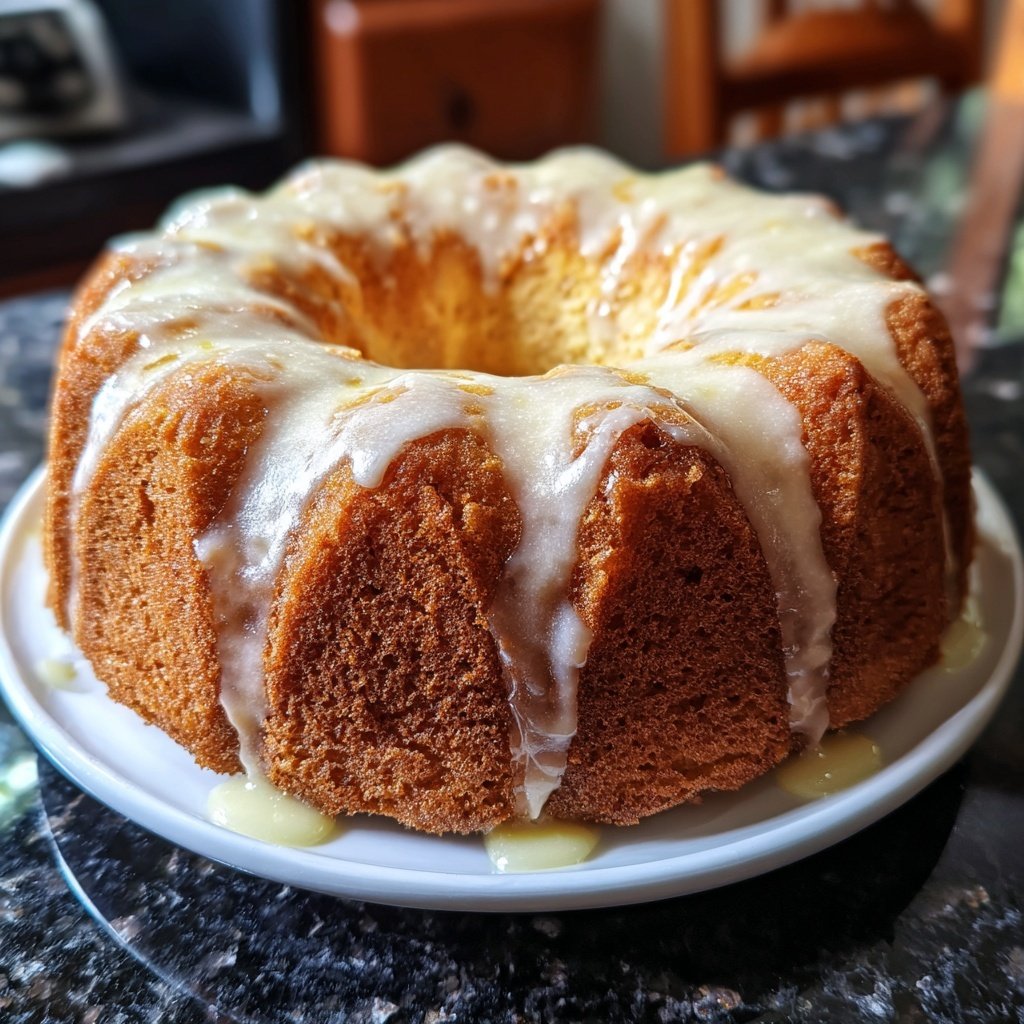
I absolutely adore baking, and there’s nothing quite like the classic vanilla butter cake. The aroma it fills my kitchen with is simply irresistible! This delightful cake is moist and fluffy, perfect for any occasion, whether it's a birthday or just a cozy afternoon tea. With simple ingredients that I usually have at home, I can create a scrumptious dessert that pairs well with fresh fruit or a dollop of whipped cream. Let's dive into this timeless recipe that never fails to bring smiles to the table!
Baking this classic vanilla butter cake has become one of my favorite weekend activities. Each time I prepare it, I relish the simplicity of the ingredients and the joy they bring together. I love to use pure vanilla extract for an authentic flavor, and I often experiment with different frostings to see what pairs best with the cake base, like a tangy cream cheese frosting or a light vanilla glaze.
What I've learned through the years is that whipping the butter and sugar until light and fluffy is key to a superb cake texture. It creates a beautiful crumb that makes every bite melt in your mouth. I always ensure my ingredients are at room temperature to achieve the best results, as this combination helps in achieving a lump-free batter that bakes evenly.
Why You'll Love This Cake
- Light and fluffy texture that's simply irresistible
- Versatile base for various frostings and toppings
- Made with simple ingredients that deliver rich flavor
Mastering the Butter Cake Technique
Achieving the perfect vanilla butter cake requires a few essential techniques. When creaming the butter and sugar, aim for a light and fluffy consistency, which typically takes around 3-5 minutes with a mixer. The air incorporated during this stage is crucial for a fluffy texture in the final cake. Use room temperature ingredients, especially butter and eggs, as they emulsify more effectively, resulting in a smoother batter and a better rise.
Incorporating dry and wet ingredients alternately allows for better absorption and prevents the batter from becoming overmixed. If you start and finish with flour, you minimize the chances of developing gluten, which can lead to a dense cake. Be gentle during this mixing stage; you want to combine the ingredients without overworking them, so stop mixing as soon as you see no more dry flour.
Understanding Ingredient Roles
Each ingredient in this vanilla butter cake plays a vital role in achieving its delightful texture and flavor. Butter, which adds richness and moisture, should be softened properly — a good test is that it should leave a slight indentation when you press it with a finger. Using unsalted butter allows you to control the salt levels in the cake uniquely. If you only have salted butter, you can reduce the added salt in the recipe to balance the flavors.
The use of high-quality vanilla extract significantly enhances the flavor profile of the cake. For an even more robust vanilla taste, consider using vanilla bean paste, which offers both the flavor and the charming specks of vanilla bean in the batter. Alternatively, in a pinch, you can substitute with an equal amount of almond extract for a slightly different yet equally delicious cake.
Storage and Serving Suggestions
Baking ahead of time is possible with this cake, as it stores beautifully. Once cooled completely, wrap the layers individually in plastic wrap and store them in the refrigerator for up to a week, or freeze for longer storage. If freezing, allow the cake to thaw in the fridge overnight before serving to retain its moist texture. This cake can also be sliced into individual servings before freezing for easy access to a sweet treat whenever you need.
Serving suggestions for this classic cake are endless. For a simple yet delightful twist, top individual slices with a scoop of vanilla ice cream and a drizzle of chocolate sauce. If honored at a birthday celebration, layering this cake with fruit preserves or whipped cream between the layers adds flavor and a beautiful presentation. You can also experiment with flavored whipped toppings or fruit compotes for seasonal adaptations.
Ingredients
For the Cake
- 1 cup unsalted butter, softened
- 2 cups granulated sugar
- 4 large eggs
- 1 tablespoon pure vanilla extract
- 3 cups all-purpose flour
- 1 tablespoon baking powder
- 1/2 teaspoon salt
- 1 cup milk
For the Frosting (optional)
- 1 cup unsalted butter, softened
- 4 cups powdered sugar
- 2 tablespoons milk
- 1 teaspoon vanilla extract
Instructions
Preheat the Oven
Preheat your oven to 350°F (175°C). Grease and flour two 9-inch round cake pans.
Cream the Butter and Sugar
In a large mixing bowl, cream together the softened butter and granulated sugar until light and fluffy.
Add Eggs and Vanilla
Beat in the eggs one at a time, mixing in the vanilla extract until well combined.
Combine Dry Ingredients
In a separate bowl, mix together the flour, baking powder, and salt.
Blend Ingredients
Add the dry mixture to the butter mixture alternately with the milk, starting and ending with the flour. Mix until just combined.
Bake
Divide the batter evenly between the prepared pans and smooth the tops. Bake for 40 minutes or until a toothpick comes out clean.
Cool and Frost
Let the cakes cool in the pans for 10 minutes, then turn them out onto wire racks. Frost once cooled if desired.
Pro Tips
- Always ensure your ingredients are at room temperature for the best texture. For an extra touch, try adding lemon zest to the batter for a refreshing flavor twist!
Troubleshooting Common Issues
If your cake ends up being too dense, it may be due to overmixing when combining the dry and wet ingredients. Ensure to mix just until combined. Additionally, verifying your measurements with a kitchen scale can help, as inaccuracies often lead to texture problems. A common failure mode is not properly creaming the butter and sugar, which leads to inadequate leavening during baking, so focus on that step.
Another issue could be uneven baking. Always ensure your oven is calibrated correctly; an oven thermometer can help with this. If the top browns too quickly while baking, gently tent the cake with aluminum foil for the last 10-15 minutes to prevent burning while allowing the center to finish cooking. A toothpick should come out clean when the cake is done.
Variations to Explore
If you want to add a little twist, try incorporating citrus zest, such as lemon or orange, into the batter for a fresh flavor that pairs well with the vanilla. Alternatively, consider adding chocolate chips or nuts for texture and taste variations. For a more decadent dessert, drizzle a simple glaze made from powdered sugar and milk on top instead of frosting, letting it soak into the cake for extra moisture.
For a fun twist on the classic, you can layer the cake with different fillings such as ganache, mousse, or pastry cream. This allows for creativity and personalization, making the cake suitable for various occasions and tastes. With just a few adjustments, you can have a vanilla butter cake that reflects your personality and preferences while still staying true to the fundamental recipe.
Questions About Recipes
→ Can I use a different type of flour?
Yes, you can substitute with cake flour for a lighter texture or gluten-free flour, but the results may vary.
→ How do I store the cake?
Store the cake in an airtight container at room temperature for up to 3 days or in the refrigerator for up to a week.
→ Can I freeze the cake?
Absolutely! Wrap the cake tightly in plastic wrap and freeze for up to 3 months. Thaw in the refrigerator before serving.
→ What can I use instead of butter for a dairy-free version?
You can substitute with coconut oil or a vegan butter alternative. Adjust the quantity if necessary!
Baking & Desserts Classic Vanilla Butter Cake
Created by: Brittany Shaw
Recipe Type: Baked Indulgences
Skill Level: Beginner
Final Quantity: 8 servings
What You'll Need
For the Cake
- 1 cup unsalted butter, softened
- 2 cups granulated sugar
- 4 large eggs
- 1 tablespoon pure vanilla extract
- 3 cups all-purpose flour
- 1 tablespoon baking powder
- 1/2 teaspoon salt
- 1 cup milk
For the Frosting (optional)
- 1 cup unsalted butter, softened
- 4 cups powdered sugar
- 2 tablespoons milk
- 1 teaspoon vanilla extract
How-To Steps
Preheat your oven to 350°F (175°C). Grease and flour two 9-inch round cake pans.
In a large mixing bowl, cream together the softened butter and granulated sugar until light and fluffy.
Beat in the eggs one at a time, mixing in the vanilla extract until well combined.
In a separate bowl, mix together the flour, baking powder, and salt.
Add the dry mixture to the butter mixture alternately with the milk, starting and ending with the flour. Mix until just combined.
Divide the batter evenly between the prepared pans and smooth the tops. Bake for 40 minutes or until a toothpick comes out clean.
Let the cakes cool in the pans for 10 minutes, then turn them out onto wire racks. Frost once cooled if desired.
Extra Tips
- Always ensure your ingredients are at room temperature for the best texture. For an extra touch, try adding lemon zest to the batter for a refreshing flavor twist!
Nutritional Breakdown (Per Serving)
- Calories: 350 kcal
- Total Fat: 21g
- Saturated Fat: 12g
- Cholesterol: 70mg
- Sodium: 150mg
- Total Carbohydrates: 36g
- Dietary Fiber: 1g
- Sugars: 24g
- Protein: 4g