DIY Chicken Run With Roof
Highlighted under: Simple & Speedy
I love creating outdoor spaces for my chickens that are both safe and fun. Building a chicken run with a roof was a project that struck me as essential for protecting my birds from predators while also giving them a chance to roam freely and enjoy the outdoors. In my experience, adding a roof not only guards against aerial predators but also keeps the rain and harsh sun at bay. I can’t wait to share my process with you, as it truly transformed my backyard and gave my chickens the best life possible.
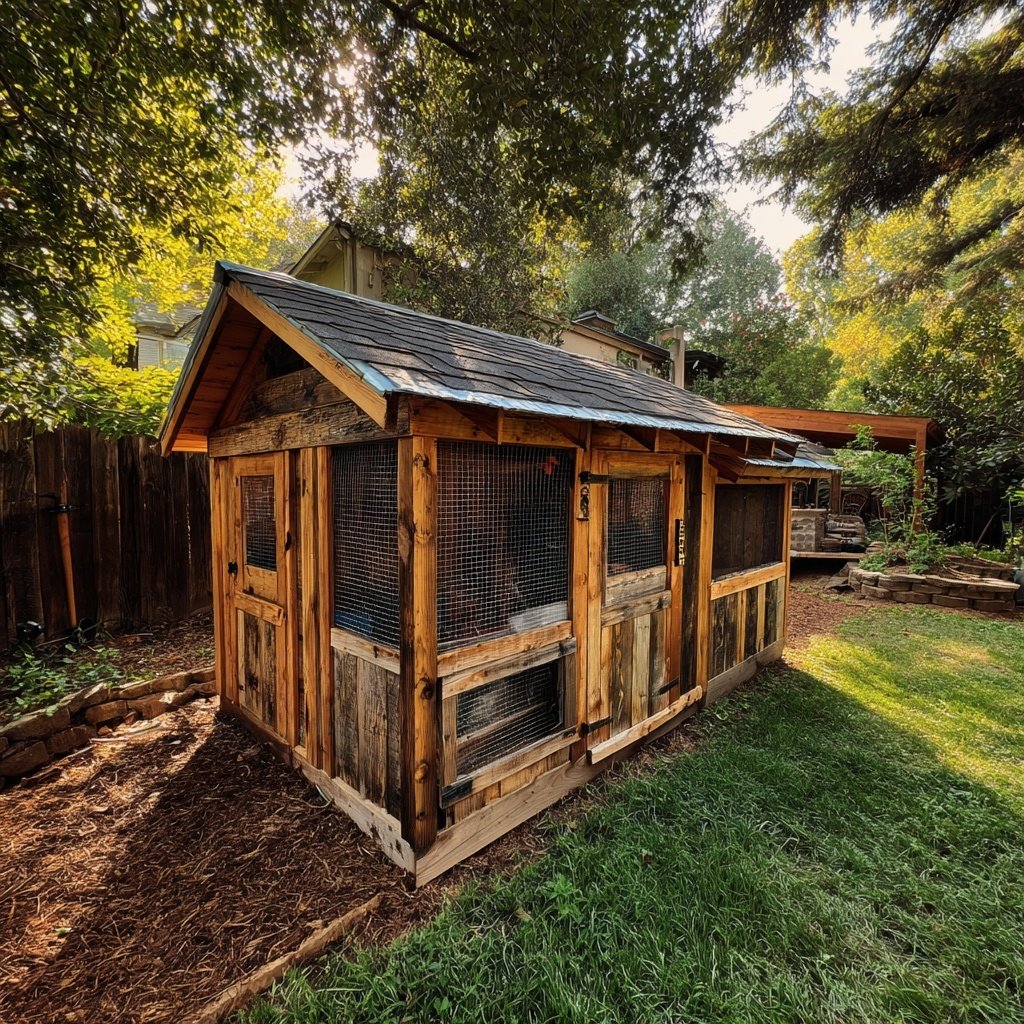
During my first attempt to build a chicken run, I learned the importance of choosing the right materials. I started with basic wood and wire, but after a few months, weather conditions damaged the structure. This time, I opted for treated wood and a sturdy metal roof, resulting in a durable project that stood the test of time. I also strategically placed ventilation gaps to ensure my chickens stayed comfortable.
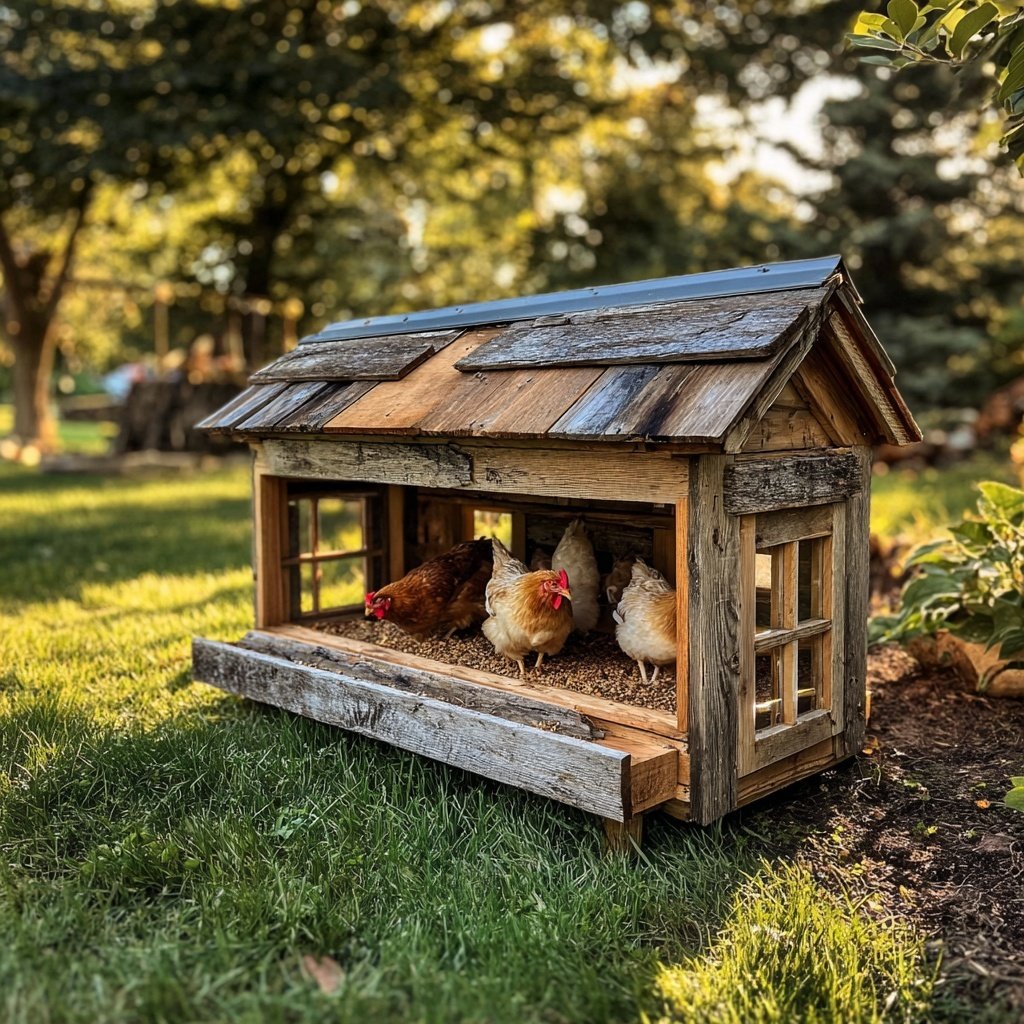
What I really loved about this build was how customizable it was. I could adjust the size to fit my yard, and I even added a little door to make it easier for me to collect eggs. Ensuring ample space is vital since happy chickens lay more eggs, so this structure was both functional and practical for my needs.
Why You'll Love This Chicken Run
- Provides safety from predators with a sturdy roof
- Creates a comfortable environment for your chickens
- Easily customizable to fit your backyard space
Understanding the Importance of a Secured Roof
When designing your chicken run, the roof is a crucial element for ensuring the safety and comfort of your chickens. By installing a sturdy metal roofing, you not only provide protection against aerial predators but also shield your flock from harsh weather conditions like rain and intense sunlight. The right roofing will also add an extra layer of insulation, helping to keep your chickens cool during summer months.
Choosing the right material for your roof is important as well. Metal roofing sheets are not only durable but also resistant to rust and damage from the UV rays of the sun. This longevity means less maintenance work for you and a long-lasting shelter for your chickens, which is particularly beneficial if you plan to expand your flock down the road.
Customization and Design
Each chicken run can be customized to fit both the available space in your yard and the specific needs of your chickens. While I encourage you to sketch a design that captures your vision, think practically about the dimensions. A general rule of thumb is to allow at least 10 square feet per chicken. This will give them ample room to move around, dust bathe, and engage in natural behaviors.
Incorporating additional features into your chicken run design can enhance your flock’s living conditions. Consider adding perches, nesting boxes, or even a small dust bath area. These elements can promote healthy behaviors and reduce boredom, making your chicken run not just a safe haven but a stimulating environment for your birds.
Potential Challenges and Solutions
Building a chicken run can come with its fair share of challenges. One common issue is securing the wire mesh tightly, as any loose sections can become vulnerable spots for predators. Use strong staples to fasten the mesh tightly to the frame and check for gaps regularly. Additionally, performing a quick visual inspection after heavy weather can help you identify and repair any damage promptly.
Another potential pitfall is ensuring your door is predator-proof. A well-constructed door will have robust hinges that resist bending or breaking. Consider adding a latch that can be locked securely from the outside to prevent any unwanted entries. I always double-check the integrity of the door after installing hinges to ensure safety when letting my chickens roam.
Ingredients
Materials Needed
- Pressure-treated lumber
- Wire mesh (chicken wire)
- Metal roofing sheets
- Wood screws
- Hinges for doors
- Paint or sealant (optional)
Instructions
Before beginning the project, ensure you have all necessary materials and tools ready to streamline the process.
Step 1: Plan Your Chicken Run
Determine the dimensions of your chicken run based on how many chickens you have and the space available. Sketch out a design that includes a roof and potential entrances.
Step 2: Gather Materials
Collect all the necessary materials. It's important to have quality wood and metal for durability. Don’t forget protective gear, such as gloves!
Step 3: Build the Frame
Using the pressure-treated lumber, construct the frame of your chicken run. Make sure to create a stable foundation by securing the corners with screws.
Step 4: Add Wire Mesh
Attach the wire mesh around the frame to prevent escapes and keep predators out. Ensure it's securely fastened at the edges.
Step 5: Install the Roof
Position the metal roofing sheets over the top of the frame and secure them with means of hinges if you wish to create access. This protects your chickens from the elements.
Step 6: Access Points
Install a door using hinges, allowing easy access to feed your chickens and collect eggs, ensuring it locks safely.
Step 7: Final Touches
Optionally paint or seal the wood to enhance durability and aesthetics. Make sure to inspect for any sharp edges before letting your chickens roam.
After completing your chicken run, observe your chickens as they explore their new environment. It’s rewarding to see them happy and safe!
Pro Tips
- Consider adding nesting boxes inside the run and providing perches for the chickens to rest. Utilize the space creatively with plants or dust baths that can also keep them entertained.
Optimal Maintenance Practices
Maintaining your chicken run is essential for the health and happiness of your flock. Regularly check the condition of the roof, wire mesh, and wooden frame for any signs of damage. If you notice any rusting on the metal sheets or rotting wood, replace those parts immediately to prevent larger issues. Clean the run periodically to remove droppings and debris, which can cause health problems for the chickens.
I recommend scheduling a seasonal deep clean, ensuring that the space is both hygienic and conducive to your chickens' well-being. A tidy environment helps to minimize pest problems and can enhance the overall atmosphere of the chicken run.
Enriching Your Chickens' Environment
To keep your chickens entertained, think creatively about enrichment options within the run. You can introduce foraging toys, such as hanging vegetables, which encourages natural foraging behavior and keeps them active. There are also commercially available foraging stations specifically designed to challenge and stimulate your chickens.
Consider rotating their environment by occasionally changing the layout or adding new elements. Chickens are naturally curious, and introducing items like branches, logs, or even mirrors can provide them with mental stimulation and encourage exploration within their secured space.
Expansion Ideas
As your flock grows or if you decide to keep different breeds, thinking about expansion is key. Ensure your chicken run can easily accommodate an increase in the number of birds without compromising space. It might be useful to plan several sections within the run if you want to keep different breeds separately. Each section should adhere to the same spatial guidelines to avoid stress and ensure happy chickens.
In addition, consider using modular designs. If the initial frame is built with expansion in mind, adding new sections or utilizing panels can be a relatively straightforward process. Be ready to adapt your original plan for both the structural component and the welfare of your growing flock.
Questions About Recipes
→ How long will the chicken run last?
With properly treated materials and maintenance, a chicken run can last for many years, especially if you inspect it regularly for damage.
→ Can I move the chicken run?
If you build a lighter structure on skids, you can easily move it to a new location as needed.
→ How many chickens can I keep in this run?
Space requirements vary by breed, but generally, allow about 4 square feet per chicken inside the run.
→ What should I use for the ground of the run?
Many people use dirt, sand, or wood chips to provide a comfortable ground surface. Ensure it's easy to clean and beneath the chickens.
DIY Chicken Run With Roof
Created by: Brittany Shaw
Recipe Type: Simple & Speedy
Skill Level: Intermediate
Final Quantity: 1 chicken run
What You'll Need
Materials Needed
- Pressure-treated lumber
- Wire mesh (chicken wire)
- Metal roofing sheets
- Wood screws
- Hinges for doors
- Paint or sealant (optional)
How-To Steps
Determine the dimensions of your chicken run based on how many chickens you have and the space available. Sketch out a design that includes a roof and potential entrances.
Collect all the necessary materials. It's important to have quality wood and metal for durability. Don’t forget protective gear, such as gloves!
Using the pressure-treated lumber, construct the frame of your chicken run. Make sure to create a stable foundation by securing the corners with screws.
Attach the wire mesh around the frame to prevent escapes and keep predators out. Ensure it's securely fastened at the edges.
Position the metal roofing sheets over the top of the frame and secure them with means of hinges if you wish to create access. This protects your chickens from the elements.
Install a door using hinges, allowing easy access to feed your chickens and collect eggs, ensuring it locks safely.
Optionally paint or seal the wood to enhance durability and aesthetics. Make sure to inspect for any sharp edges before letting your chickens roam.
Extra Tips
- Consider adding nesting boxes inside the run and providing perches for the chickens to rest. Utilize the space creatively with plants or dust baths that can also keep them entertained.